The Nature of Luck in Gaming
Luck is often regarded as a mysterious factor that can influence outcomes in various games, particularly in the realm of casinos, including the emerging trend of australia online casino platforms that offer unique experiences. In the context of gambling, luck is typically associated with chance events that result in unpredictable outcomes, such as a winning hand in poker or the spin of a roulette wheel. While some players firmly believe that luck plays a crucial role in their success, others argue that skill and strategy are more determining factors. The dichotomy between luck and skill raises important questions about the psychology of gambling and the perception of control over outcomes.
Interestingly, studies have shown that luck can indeed impact short-term results. For example, a player may experience a winning streak, leading them to believe that their fortune is favorable. This psychological phenomenon can create a sense of confidence, prompting players to take larger risks. However, it’s essential to understand that, over the long term, outcomes in games of chance tend to balance out due to the inherent probabilities involved. This means that while luck can favor a player temporarily, it does not guarantee continued success.
Moreover, some games, such as slots and roulette, rely heavily on randomness. In these instances, the outcome is purely dependent on chance rather than skillful play. This randomness can evoke excitement and anticipation, but it also reinforces the notion that while luck can influence immediate results, it is ultimately the house edge that dictates long-term outcomes in these games. Understanding the interplay of luck and probability is vital for players who wish to approach gambling with a more informed mindset.
The Role of Skill and Strategy
While luck is undeniably a factor in games of chance, the role of skill and strategy cannot be overlooked. In games like poker and blackjack, the decisions made by players can significantly influence their chances of winning. Experienced players often employ strategies that help them mitigate losses and maximize their potential wins, demonstrating that skill can play a crucial role in the overall outcome. Mastering the art of reading opponents and knowing when to hold or fold can essentially alter a player’s fortunes.
Take poker, for instance; the ability to calculate probabilities and make informed decisions based on opponents’ behavior is key. Players who have a deep understanding of the game’s mathematics and psychology are often more successful than those who rely solely on luck. This suggests that while luck may grant an initial advantage, sustained victory in such games is typically a byproduct of skill and practice. Players who hone their skills can lessen the impact of bad luck and capitalize on favorable situations.
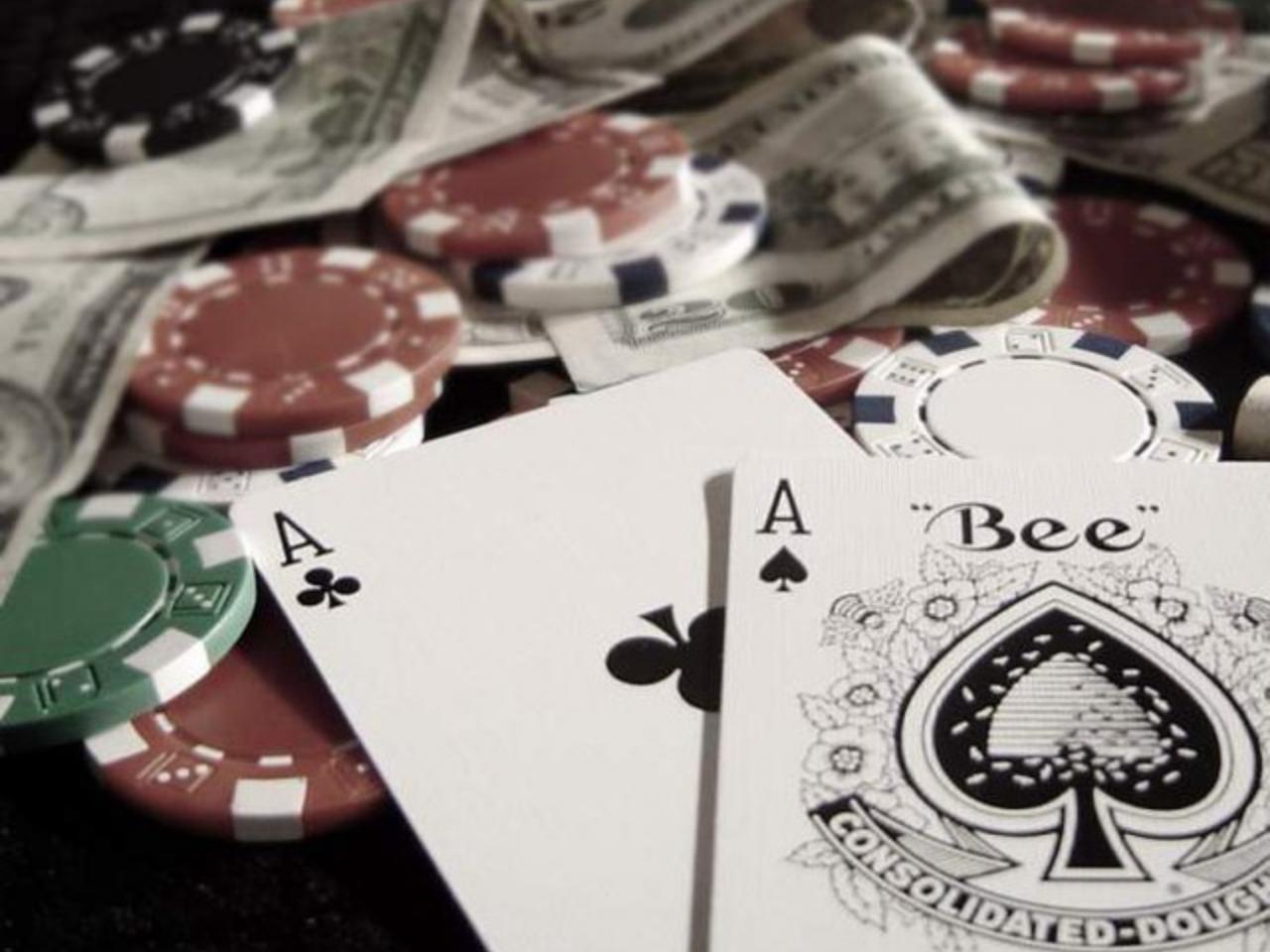
In addition to poker, games like blackjack allow for strategic play through options such as doubling down or splitting pairs. Players who are knowledgeable about the optimal strategies for these choices can turn the odds in their favor, demonstrating that the influence of skill can effectively counterbalance the role of luck to some extent. However, it is still crucial for players to remember that even the best strategies cannot eliminate the inherent element of chance present in all gambling games.
The Illusion of Control
Many gamblers experience what is known as the “illusion of control,” a cognitive bias that leads them to believe they can influence outcomes through their actions. This phenomenon is particularly prevalent in games where players have some degree of control, such as betting on a specific number in roulette or choosing their cards in poker. For these players, the act of making choices can provide a false sense of security, leading them to feel as though their skill directly impacts the randomness inherent in the game.
Moreover, the belief in personal luck can also play a significant role in how individuals approach gambling. Gamblers may develop superstitions or rituals they believe enhance their luck, such as wearing a lucky shirt or performing a specific dance before making a bet. These behaviors illustrate how psychological factors can intersect with concepts of luck, ultimately influencing players’ emotions and decisions at the gaming table. While these rituals might provide comfort, they do nothing to change the underlying odds of the game.
The illusion of control can be particularly dangerous, as it may lead players to engage in riskier betting behaviors, believing that they can consistently influence outcomes. This mindset can result in chasing losses and excessive gambling, which may lead to negative financial consequences. Understanding the reality of chance in gambling is vital for players to maintain a healthy relationship with gaming and to approach their experiences with realistic expectations regarding the influence of luck.
The House Edge: Understanding Probabilities
One of the most important concepts for players to grasp when it comes to gambling is the house edge. This term refers to the mathematical advantage that casinos have over players in any given game. Each game is designed with specific probabilities that favor the house, ensuring that, over time, the casino will always come out ahead. This means that while luck may temporarily favor a player, the odds are ultimately structured to ensure the casino’s profitability.

For example, in roulette, the presence of zero (or double zero in American roulette) gives the house its edge. Players might win occasionally, but the more they play, the more likely they are to lose in the long run. Understanding this dynamic is crucial for players who wish to enjoy their time at the casino without falling into the trap of relying on luck as a consistent strategy for success. Recognizing that the games are mathematically engineered can help players make informed decisions about when to play and how much to wager.
Additionally, players should be aware of the variance in house edges across different games. Slots might seem enticing with their bright lights and sounds, but they typically have a higher house edge compared to table games like blackjack. Players who take the time to research and understand the odds associated with each game can better allocate their resources and time, thus enhancing the enjoyment of their gaming experience. This knowledge can lead to a more responsible gambling approach, grounded in the realities of chance and probability.
Final Thoughts on Luck and Casino Play
In conclusion, the interplay of luck and skill in casinos creates a complex web of outcomes that players experience. While luck undeniably plays a role in the short term, it is essential for players to recognize that long-term results are often determined by probability and the house edge. Understanding the mechanics of different games and approaching gambling with a strategic mindset can improve the overall experience, making it more enjoyable and less reliant on the whims of fortune.
Players should strive to cultivate a balanced perspective on luck, avoiding the pitfalls of the illusion of control while appreciating the thrill that chance brings to their gaming experiences. By acknowledging the limits of luck and the importance of skill and strategy, individuals can enhance their enjoyment while also minimizing the risks associated with gambling. Ultimately, awareness and education are pivotal in navigating the vibrant world of casinos and gaming.
For those seeking to explore the intricacies of gambling and the balance between luck and skill, understanding the psychological aspects can be just as crucial as mastering the games themselves. A knowledgeable player will not only enjoy the thrill of the game but also be better prepared to face the challenges that come with it. By fostering a deeper understanding of these dynamics, players can engage with the casino experience in a more fulfilling and responsible manner, creating lasting memories while embracing the excitement of the games.
