Luck versus skill which truly shapes your gambling success
The Role of Luck in Gambling
Luck is often seen as the main ingredient in the recipe for gambling success. Many people believe that winning or losing comes down to sheer chance, particularly in games like slot machines or roulette where outcomes are primarily random. This perspective is rooted in the idea that no matter how much one practices or strategizes, the outcome still hinges on fate. However, it is essential to recognize that while luck plays a significant role, it is not the sole determinant of success in gambling. For those looking to explore their options, you can play Aviator online and enjoy a thrilling experience alongside understanding these dynamics.
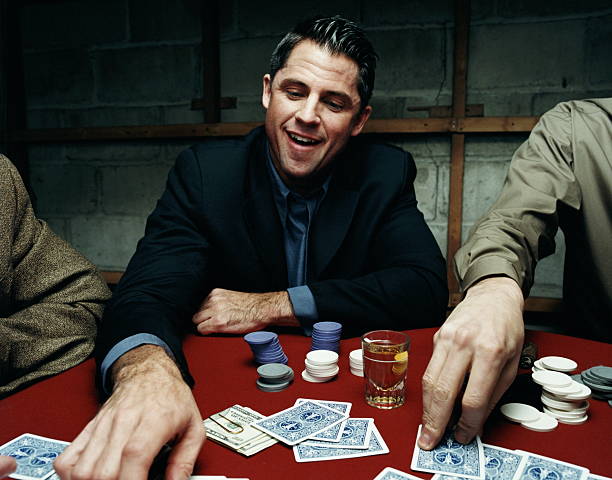
Statistical studies reveal that in certain games, such as poker, luck can impact short-term results significantly. Players may experience winning streaks or unfortunate losses purely due to chance. Nevertheless, over the long term, skillful players tend to prevail. This phenomenon underscores the importance of distinguishing between short-term luck and long-term skill. It showcases how relying solely on luck can lead to inconsistency and financial pitfalls in gambling activities.
Moreover, casinos often design their games with built-in house edges that make it difficult for luck to be the only deciding factor in winning. For instance, in games like blackjack or poker, understanding the odds and employing strategies can greatly influence outcomes. Thus, while luck undeniably affects individual outcomes, it is a fallacy to think that it alone shapes overall gambling success.
The Importance of Skill in Gambling
While luck is an undeniable element in gambling, skill should not be underestimated. Skill encompasses a range of abilities, including strategy, decision-making, and psychological acumen. In games like poker, for instance, players must be adept at reading opponents, calculating probabilities, and managing their bankroll effectively. These skills can significantly enhance the odds of winning over time, demonstrating that expertise plays a crucial role in gambling success. Additionally, many players frequent various platforms like casino pinco to further hone their skills and strategies.
Experience also contributes immensely to skill development in gambling. Seasoned players have the advantage of understanding the nuances of various games and the behavior of other participants. They can apply learned strategies to minimize losses and maximize wins. For instance, a skilled poker player knows when to bluff or fold based on the read of their opponents, which is a skill developed through years of practice and engagement.
Moreover, the application of mathematical principles, such as probability and risk management, sets skilled players apart from casual gamblers. Understanding the mathematics behind the games allows players to make informed decisions rather than relying solely on luck. Therefore, skill is an integral component that shapes gambling success, providing a framework within which luck can operate more effectively.
The Interplay Between Luck and Skill
In the world of gambling, luck and skill are often intertwined, creating a complex dynamic that influences outcomes. While luck can swing a player’s fortunes in the short term, skill can establish a framework that guides decision-making and gameplay over the long haul. The best gamblers know how to harness both elements, understanding when to rely on luck and when to implement their skills strategically.
This interplay is especially evident in games that blend chance with skill, such as poker and blackjack. In poker, a player may draw an excellent hand purely by luck, but it is the skill that determines how effectively they can capitalize on it. Conversely, an experienced player may face a series of bad luck but can still mitigate losses through strategic play, emphasizing that skill allows them to navigate adverse conditions.
Furthermore, recognizing this relationship can change a player’s approach to gambling entirely. Instead of seeking out games based solely on perceived luck, savvy gamblers focus on skill-based games where they can apply their knowledge and experience. This approach fosters a more sustainable gambling practice, reducing reliance on luck and ultimately leading to greater success in the long run.
Common Gambling Myths Debunked
There are numerous myths surrounding gambling that often mislead both novice and seasoned players. One prevalent myth is the belief that certain players are “due” for a win after a series of losses. This misconception ignores the random nature of most gambling games, particularly those with a house edge. Understanding that each spin or hand is independent of previous outcomes is crucial for adopting a realistic mindset in gambling.
Another common myth is the idea that skill can overcome bad luck entirely. While skill does play a vital role, it cannot entirely negate the impact of luck. Professional players often emphasize the importance of variance in their games, suggesting that even the most skilled players will encounter streaks of bad luck. This acknowledgment keeps players grounded and encourages a balanced perspective when approaching gambling.
Additionally, some believe that certain betting systems can guarantee wins. Systems like the Martingale strategy can seem appealing but often lead to significant losses when a player faces a losing streak. By debunking these myths, gamblers can cultivate a more informed approach, combining their understanding of luck and skill effectively for better outcomes.

Understanding Your Gambling Success Journey
Gambling success is not solely about hitting the jackpot; it’s about understanding the journey and the factors that contribute to it. Players should analyze their experiences, reflect on both their lucky and skillful moments, and develop a balanced approach to their gambling habits. Recognizing the importance of skill can lead to more thoughtful play, while understanding luck can instill a sense of patience during challenging times.
Ultimately, embracing both elements creates a more enriching experience for gamblers. As players grow more knowledgeable, they enhance their chances of success in various games. They come to appreciate the nuances of luck while continuously refining their skills, leading to a more satisfying gambling journey.
Moreover, this understanding encourages a community where players can share experiences, strategies, and insights. Engaging in discussions about luck versus skill can foster a supportive environment that enhances individual growth and collective knowledge. As the gambling landscape continues to evolve, players can thrive by embracing the interplay of both luck and skill in shaping their success.
