Exploring cultural perspectives on gambling A Pin-Up guide
Cultural Views on Gambling
Gambling has been an integral part of human culture for centuries, manifesting in various forms across different societies. In some cultures, gambling is viewed as a form of entertainment, a social activity that brings people together. For instance, in many Western nations, casinos and sports betting are widely accepted, celebrated, and even glamorized in popular culture. This acceptance stems from the notion that gambling is a leisure activity, akin to dining out or attending a concert. As highlighted in various analyses, such as https://www.moviemaker.com/the-most-stylish-casino-scenes-of-the-last-50-years-a-technical-and-aesthetic-audit/, the cinematic representation of casinos adds to this glamour.
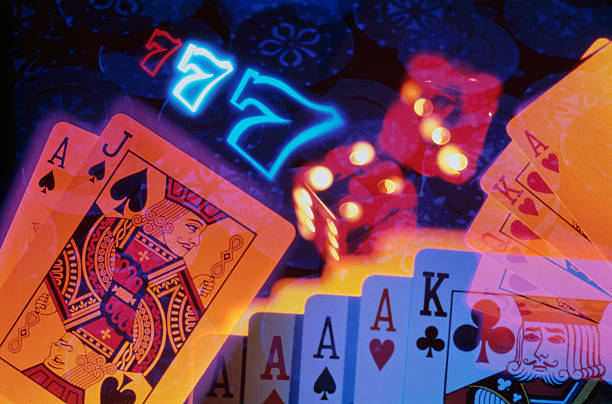
Conversely, other cultures perceive gambling with skepticism, associating it with moral decay or societal issues. In certain Asian cultures, for example, gambling is often linked to superstition and fate, where it’s not just about winning money but also about fulfilling cultural rituals. This dichotomy in views highlights how cultural background significantly influences people’s perceptions and attitudes towards gambling.
The Impact of Religion on Gambling Attitudes
Religion plays a crucial role in shaping the cultural perspectives on gambling. In predominantly Islamic countries, gambling is strictly prohibited due to religious beliefs that deem it sinful. This cultural perspective leads to a significant societal stigma around gambling, influencing laws and community norms. In such societies, even informal betting among friends may be frowned upon, illustrating the impact of religious teachings on gambling behaviors.
In contrast, some Christian denominations adopt a more lenient approach. While many caution against the potential pitfalls of gambling, they also acknowledge that it can be enjoyed responsibly. This variance within religious perspectives indicates that not all faiths uniformly condemn gambling, thus allowing for a more diverse understanding of its place in society.
Legal Frameworks and Cultural Norms
The legal status of gambling varies widely, reflecting cultural norms and societal values. In countries like Canada, where gambling is regulated and embraced, cultural acceptance can lead to thriving gambling industries, like casinos and online platforms. The rise of venues such as Pin Up Casino exemplifies this trend, making gambling a staple of entertainment. This legal framework not only legitimizes gambling but also enhances its cultural acceptance, as people feel more comfortable engaging in these activities.
On the flip side, in regions where gambling remains illegal or heavily restricted, a culture of secrecy may develop. People often turn to underground gambling operations, leading to potential legal issues and ethical dilemmas. This disparity in legal frameworks showcases the intricate relationship between culture, law, and gambling practices, influencing how communities navigate their gambling experiences.
Gambling as a Reflection of Identity
In many cultures, gambling serves as a reflection of identity, offering insights into societal values and collective beliefs. For instance, in some Indigenous cultures, traditional gambling games are often tied to community gatherings, symbolizing unity and shared heritage. These games are not merely about chance but serve as a means of storytelling and preserving cultural history.
Conversely, in modern urban cultures, gambling can reflect individuality and personal success, with games often marketed as a pathway to wealth and fame. This duality demonstrates that while gambling can foster community, it can also serve as a personal ambition, shaping how various cultural groups view and engage with gambling activities.

Understanding Gambling through the Pin-Up Lens
Exploring gambling through the lens of the Pin-Up culture brings a unique perspective to this multifaceted topic. Pin-Up culture often embodies a blend of glamour, rebellion, and freedom, paralleling how some view gambling as a thrilling escape from everyday life. The glamorous portrayal of casinos and gaming in media aligns with the aesthetic appeal of Pin-Up art, inviting people to view gambling as an exhilarating experience rather than just a risk.
Moreover, the fusion of gambling with Pin-Up aesthetics highlights the interplay between risk and reward, showcasing the excitement of taking chances. This approach not only enhances the allure of gambling but also influences how cultural narratives surrounding it are constructed and perceived, bridging traditional and contemporary views.
