 شبكة زي عرب شبكة زي عرب


The Allure of Risk and Reward
The thrill of gambling often stems from the enticing possibility of winning big. This idea taps into deep-rooted psychological factors, such as excitement and the need for stimulation. For many, the thought of hitting a jackpot can be intoxicating, creating a rush akin to that experienced during extreme sports or high-stakes investments. Many players enjoy visiting a top bitcoin casino because casinos are designed to amplify this sensation, utilizing bright lights, engaging sounds, and a vibrant atmosphere to draw players into the experience.
This response to risk is also influenced by the brain’s reward system. When we engage in gambling, our brains release dopamine, a neurotransmitter associated with pleasure and reward. This chemical reaction reinforces the behavior, making players eager to return, chase losses, or recapture the high of a previous win, further blurring the lines between entertainment and compulsion.
The Social Aspect of Gambling
Gambling is rarely a solitary activity; it often includes social interaction that enhances the overall experience. Whether it’s playing at a table with friends or engaging with fellow players in a crowded casino, the camaraderie can create a sense of belonging and shared excitement. Social factors can significantly influence an individual’s propensity to gamble, as people may feel more compelled to participate when surrounded by others who are also enjoying the thrill of the game.
Moreover, social dynamics can lead to a phenomenon known as ‘herd behavior’, where individuals decide to gamble based on the actions of those around them. This collective excitement can increase the likelihood of making impulsive decisions, such as increasing bets or continuing to play despite losses, as the group reinforces the perception that winning is just around the corner.
Cognitive Biases and Fallacies
Several cognitive biases play a crucial role in the psychology of gambling. For instance, the illusion of control leads players to believe that they can influence outcomes in games of chance, prompting them to make riskier bets. This fallacy is particularly prevalent in games like poker or blackjack, where skill and strategy are involved, but even in pure games of chance, players may still feel a connection to their fate.
Another common cognitive bias is the gambler’s fallacy, which is the mistaken belief that past results influence future outcomes. This leads individuals to think that if a particular number hasn’t come up recently, it is ‘due’ to appear, which can drive them to wager more money on that outcome. Such biases reveal how emotions and irrational thinking can dominate decision-making processes in gambling scenarios.
The Role of Environment and Design
The physical environment of a casino is meticulously crafted to encourage prolonged play. From the layout of slot machines to the positioning of tables, everything is designed to maximize engagement and minimize distractions. The absence of clocks, plush seating, and complimentary drinks all contribute to creating an environment where time disappears, allowing players to lose track of their sessions and increase their chances of spending more money.
This strategic design plays into the psychological tricks that keep players coming back. Casinos often implement loyalty programs and other incentives to further entice gamblers. By creating a cycle of reward and continued play, the environment amplifies the triggers of excitement and anticipation, making it difficult for individuals to resist the allure of another game.
Ensuring a Safe Gambling Experience
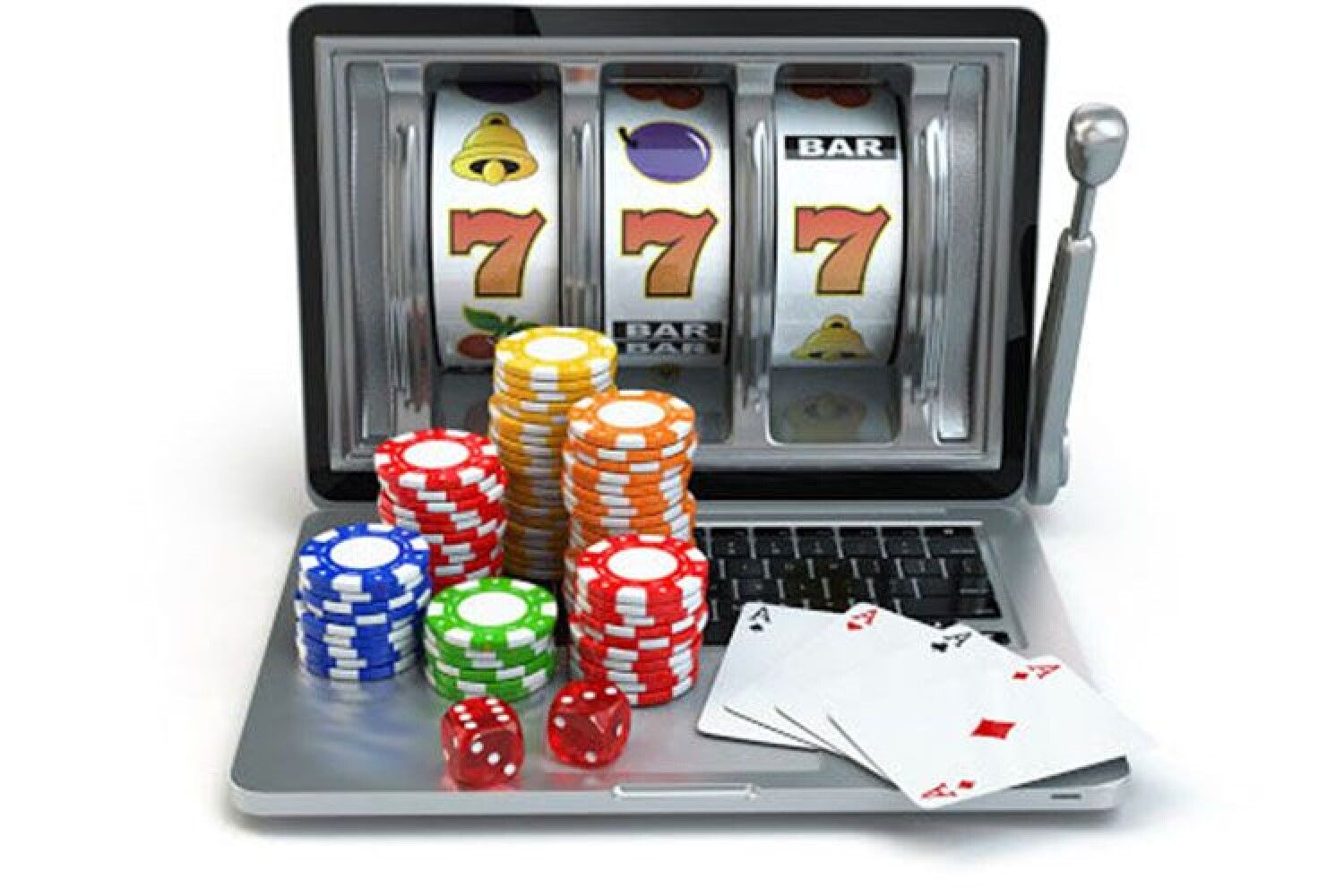
As the allure of gambling grows, so does the importance of maintaining a secure and responsible experience. Recognizing the potential risks associated with gambling, such as addiction and financial loss, is essential. Websites dedicated to providing security services play a vital role in ensuring that players can engage in gambling activities safely, protecting them from online threats and ensuring a fair gaming environment.
By fostering an awareness of responsible gambling practices and offering support for those who may have issues surrounding their gambling habits, these sites aim to create a safer online experience. Safe gambling is not just about protection against external threats; it also includes promoting healthy habits and encouraging players to set limits, ultimately enhancing the enjoyment and excitement of casino gaming without the adverse effects.
