The historical evolution of gambling a journey through time in True Blue Casino
The Origins of Gambling
The history of gambling can be traced back to ancient civilizations, where games of chance were often integrated into cultural rituals and social activities. The earliest records of gambling date back to around 3000 BC in Mesopotamia, where dice made from animal bones were used for both entertainment and divination. This early form of gambling set the foundation for what would evolve into a global pastime, much like the diverse offerings at trueblue-casino.org.

As societies advanced, gambling spread across various cultures. The Romans famously engaged in betting activities during their games and gladiatorial contests, while ancient China is credited with the invention of games such as Keno, which still thrives in modern times. These historical roots illustrate how gambling became an integral part of community life and entertainment.
The Evolution of Gambling through the Ages
The Middle Ages brought significant changes to gambling practices, particularly in Europe. The introduction of playing cards in the 14th century revolutionized the gambling landscape, paving the way for games like poker and blackjack. Gambling houses began to emerge, offering structured environments for betting, which contributed to the growing popularity of these games.
The 17th and 18th centuries saw the establishment of the first official casinos, particularly in Italy and France. These venues provided not only games of chance but also a social atmosphere for the upper classes. The combination of gaming and socialization solidified the status of gambling as a leisure activity, leading to the flourishing of elaborate gaming establishments that would become iconic in future generations.
The Rise of Legalized Gambling
The 20th century marked a turning point with the legalization of gambling in various parts of the world. The Great Depression in the United States prompted many states to consider legalizing gambling as a means to boost their struggling economies. This led to the birth of Las Vegas as a gambling capital, creating a blueprint for other regions to follow suit.
As more jurisdictions embraced legalized gambling, the industry underwent rapid modernization. The introduction of electronic gaming machines and online gambling platforms reshaped how people interacted with games of chance, making gambling more accessible to a broader audience than ever before.
The Digital Transformation of Gambling
The advent of the internet revolutionized the gambling landscape in the late 20th and early 21st centuries. Online casinos emerged, offering players the convenience of enjoying their favorite games from the comfort of their homes. True Blue Casino is a prime example of this evolution, providing a user-friendly platform that features thousands of licensed games.
The digital transformation also brought new challenges, such as the need for regulatory frameworks and responsible gaming measures. Online casinos like True Blue Casino prioritize player safety and adhere to strict regulations, ensuring that the gaming experience remains fair and enjoyable for all participants.
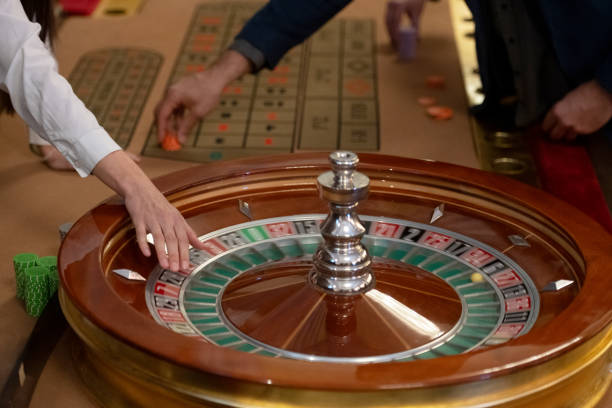
True Blue Casino: A Modern Gaming Experience
True Blue Casino stands out as a premier destination for online gaming enthusiasts. With a vast selection of over 7,000 games, players can immerse themselves in a wide range of experiences, from classic table games to innovative slots. The casino’s commitment to providing a top-notch gaming experience is evident through its generous welcome packages and quick payouts.
The vibrant gaming community at True Blue Casino also adds to the overall experience, allowing players to connect and share their journeys. As gambling continues to evolve, True Blue Casino remains dedicated to offering a safe, exciting, and entertaining platform for players at all levels, making it an exemplary choice in the online gaming market.
